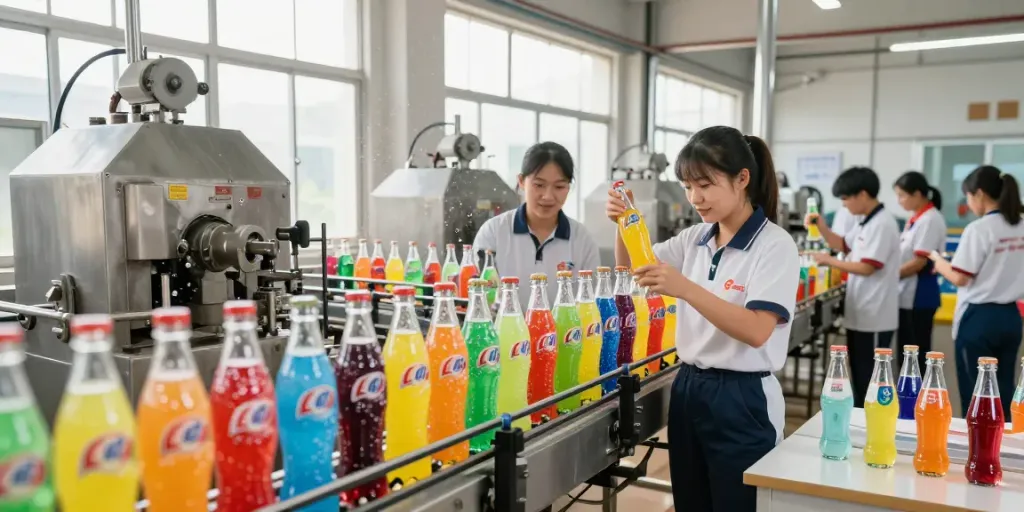
Understanding the Evolution of Soda Pop in Today's Market
Soda pop has been a staple in the beverage market for generations, evolving from classic flavors to innovative concoctions that cater to diverse palates. As we dive into the world of soda pop in 2026, we will explore its rich history, current trends, unique flavors, and the cultural shifts affecting consumption. When exploring options, Soda pop remains a vibrant part of this landscape, showcasing creativity and tradition in every sip.
1. Historical Background of Soda Pop
The roots of soda pop can be traced back to the late 18th century when carbonated water was first created. In the 1830s, soda fountains began to pop up in pharmacies across America, serving sweetened concoctions that quickly gained popularity. By the early 1900s, brands like Coca-Cola and Pepsi emerged, shifting the landscape of refreshment. The introduction of mass production techniques led to widespread availability, which would cement soda pop’s place in the cultural zeitgeist.
2. Current Trends in Soda Pop Consumption
Today, soda pop consumption is more diversified than ever, with consumers seeking out unique and artisanal offerings. Health consciousness has led to a surge in demand for low-calorie and natural soda options. In fact, sales of craft sodas, which often use real sugar and natural flavorings, have outpaced traditional soft drinks in many markets. This shift reflects a broader trend towards transparency and quality in food and beverage choices.
3. Innovative Flavors and Ingredients Shaping 2026
The flavor profiles of soda pop have expanded beyond the traditional cola or root beer. In 2026, we see an influx of exotic ingredients like matcha, turmeric, and adaptogens making their way into beverages. Craft soda makers experiment with bold combinations such as lavender lemon, spicy ginger, and hibiscus, appealing to adventurous consumers. This innovation is not only a marketing tactic but also a response to consumers’ desire for healthier, more functional beverages.
Health Considerations: The Changing Perception of Soda Pop
As consumers become more aware of health implications, the perception of soda pop has shifted significantly. Today’s consumers are increasingly scrutinizing nutritional information, leading brands to be more transparent about their ingredients and caloric content.
1. Nutritional Information and Ingredient Transparency
More than ever, beverage companies are compelled to list their ingredients clearly and prominently. This transparency is vital as consumers are looking for products that align with their health values. Many brands highlight the absence of artificial colors, flavors, and preservatives, making their products more attractive to the health-conscious demographic.
2. Healthier Alternatives: Craft Soda and Natural Ingredients
The rise of craft sodas reflects an increasing demand for healthier alternatives to traditional soda pop. These beverages often feature fewer calories, no high fructose corn syrup, and the use of natural sweeteners like agave or stevia. Brands also experiment with probiotics and functional ingredients that promise additional health benefits.
3. Consumer Awareness and the Rise of Low-Sugar Options
In 2026, low-sugar soda options are becoming mainstream as brands innovate to reduce sugar without sacrificing flavor. Consumers are actively seeking low-calorie alternatives, and this trend is influencing product development across the industry. The growing preference for beverages with lower glycemic indexes reflects a broader awareness of health and nutrition.
Creative Uses of Soda Pop Beyond the Beverage
Soda pop is not only enjoyed as a refreshing drink but has also found its way into various culinary applications and creative projects. As the beverage industry evolves, so does the versatility of soda pop.
1. Soda Pop in Culinary Dishes and Desserts
Chefs and home cooks alike are utilizing soda pop in unique ways, from marinades to desserts. The carbonation can tenderize meats, while the sugars caramelize beautifully, enhancing the overall flavor profile. Popular dessert recipes now include soda pop cake, floats, and even soda-infused ice creams.
2. Unique DIY Projects with Soda Pop Containers
Empty soda pop bottles are also finding a second life in DIY projects. Creative individuals are repurposing these bottles for planters, decorative lighting, and art installations. The charm of vintage soda bottles adds a nostalgic touch to modern crafts, contributing to the sustainability movement.
3. Soda Pop Cocktails: Creative Mixology in 2026
The art of mixology has embraced soda pop, leading to exciting cocktail innovations. Bartenders experiment with using sodas as mixers, creating refreshing concoctions that appeal to a younger demographic. Flavored sodas paired with spirits result in unique drinks that maintain the fizzy appeal of classic cocktails.
Marketing Strategies for Soda Pop Brands
The soda pop market is competitive, and effective marketing strategies are crucial for brands aiming to capture consumer attention. Innovative approaches are being employed to resonate with consumers and differentiate products in a crowded market.
1. Social Media Trends and Influencer Collaborations
Brands are increasingly leveraging social media platforms to reach consumers directly. Influencer partnerships allow companies to tap into niche markets, effectively showcasing their products to targeted audiences. Platforms like Instagram and TikTok serve as ideal mediums for visually appealing content, driving engagement and interest.
2. Sustainability Practices in Soda Pop Production
As consumers become more environmentally conscious, soda brands are implementing sustainable practices in their production processes. From eco-friendly packaging to sourcing ingredients responsibly, companies are responding to consumer demands for sustainability. This not only improves brand image but also fosters loyalty among environmentally aware consumers.
3. Engaging Advertising Campaigns Targeting Youth
Creative advertising campaigns aimed at younger audiences often utilize humor, nostalgia, or pop culture references. Brands are harnessing the power of storytelling in their advertisements, creating narratives that resonate emotionally with their target demographics. This approach fosters a deeper connection between the consumer and the brand.
The Future of Soda Pop: Trends and Predictions
As we look towards the future, the beverage industry continues to evolve, driven by consumer preferences and technological advancements.
1. Technological Innovations in Soda Pop Production
New technologies are emerging that enhance the production of soda pop, from improved carbonation techniques to automated flavor blending. These innovations allow for greater precision and customization in flavor profiles, catering to diverse consumer tastes and preferences.
2. The Role of Artificial Intelligence in Flavor Development
Artificial intelligence is poised to revolutionize flavor development in the beverage industry. Brands are utilizing data-driven insights to predict trends and create flavors that resonate with consumers. This technological advancement not only accelerates product development but also elevates the customer experience by aligning with their preferences.
3. Predictions for Consumer Preferences by 2026
Looking ahead, consumers are expected to prioritize health, sustainability, and innovation in their beverage choices. The demand for functional drinks will likely continue to grow, as individuals seek beverages that not only satisfy their thirst but also offer health benefits. Brands that adapt to these preferences will thrive in the evolving landscape of soda pop.
What are the best uses for soda pop?
Soda pop can be utilized creatively in various culinary applications and DIY projects. Its versatility allows for incorporation into marinades, desserts, and even art, showcasing its wide-ranging appeal.
How is soda pop evolving in 2026?
The evolution of soda pop in 2026 is marked by innovative flavors, health-conscious options, and sustainable practices. Brands are focusing on transparency and quality, responding to shifts in consumer behavior.
Are there healthier alternatives to traditional soda pop?
Yes, healthier alternatives include craft sodas that use natural ingredients and lower sugar content. The rise of probiotics and functional beverages further enhances this segment of the market.
What marketing strategies work for soda pop brands?
Effective marketing strategies for soda pop brands include leveraging social media, engaging in influencer partnerships, and adopting sustainable practices to resonate with modern consumers.
What innovations can we expect in soda pop production?
Innovations in soda pop production will include advancements in technology for flavor development, enhanced carbonation methods, and a growing focus on sustainability in manufacturing practices.